
Forest Health
Protecting the Forest Through Science, Stewardship, and Action
Forest Health Programs
Healthy forests are vital to the long-term sustainability of our ecosystem, water resources, wildlife habitat, and recreation opportunities. Our hands-on work includes wildfire mitigation, forest monitoring, noxious species removal, habitat restoration, and forest clean-ups. Together, we can protect Summit County’s forests for current and future generations.
Types of Forest Health Volunteer Projects
Forest Monitoring
Our forest health monitoring volunteers are trained as citizen scientists, collecting data that gives us insight into how our forest regenerates.
Seed Collection
Similar to animals, plants have adapted over time to survive in their specific microclimates. By harvesting seeds and replanting them nearby, the plants have the best chance to survive.
Noxious Weeds
Some plants look pretty, but can spread seeds quickly and take over a landscape by forcing out other plants. It is important to control invasive plants.
Illegal Campsite Restoration
Camping too close to water can greatly impact stream health, and in turn fish populations. Restoring affected areas close to the rivers can greatly help overall stream health.
Social Trail Restoration
When hikers wander off trail, more of the forest is impacted than necessary. By rehabilitating social trails, we bring life back to the forest.
Wildlife Habitat Restoration
There are many barbed-wire fences denoting old or void property lines. Removing these inhibiting fences allows for freer movement of wildlife.
Forest Thinning
Lodgepole Pines can grow back in an unhealthy manner in clearcut areas. By removing some, it allows more healthy trees to grow and ground foliage to thrive.
Fish Shocking
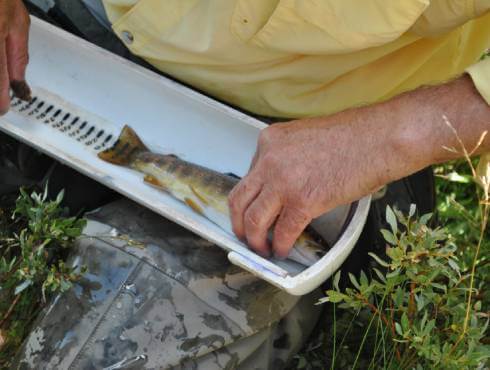
Volunteers to “shock,” net, and measure fish in a local stream or river. This provides valuable data and helps USFS staff gauge the health of the stream. After collection the volunteers will measure the fish, one by one, record the species, then set them free.
Burn Pile Rehabilitation
Foresters are putting fire breaks around the highly populated areas of Summit County by chopping down and burning trees. This can leave unsightly burn scars on the earth, rehabbing them can help the area grow back faster.
Field Projects Require Liability Waivers
For all field projects, you must complete the Liability Waiver found below. A submitted waiver is required for your participation in any of the FDRD programming. Only one waiver is needed per calendar year.
Adopt-a-Trailhead Program
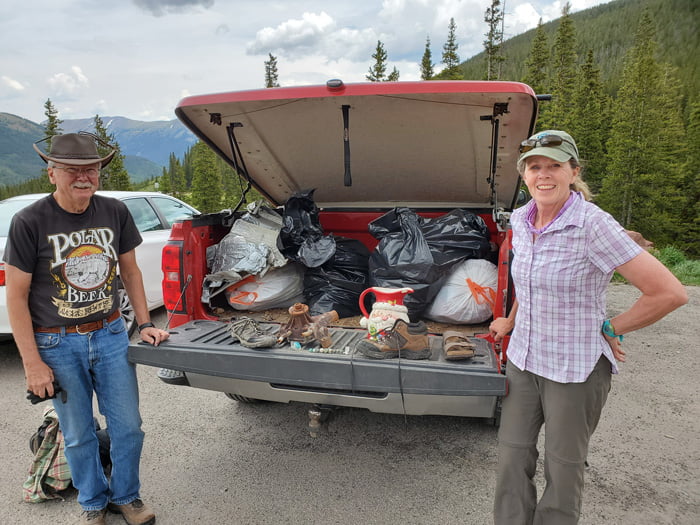
Each spring season, the winter snow slowly recedes back into the ground revealing all the treasures left behind by trail users from the fall and winter seasons. FDRD is offering the opportunity to volunteers to “Adopt-a-Trailhead” and take an extra step in helping FDRD, Summit County, and the USFS keep our local trailheads clean.
The Duties:
In partnership with
Adopt-a-Bin Program
The Forest Service has provided over 30 fishing line recycling bins throughout Summit County, positioned in specific locations for convenient line disposal for anglers. When the line is not properly disposed of, local birds will often find and use the material in their nests. Bins need to be emptied and kept clean, so anglers are able to utilize them for their intended purpose. Used fishing line is collected by FDRD to send in for recycling. Our hope is to keep these bins clean and keep the line out of our shores, waterways, and wildlife!
The Duties:

Adopt-a-Temperature Logger Program
The Forest Service biologists observe stream temperatures on the National Forest using temperature loggers. The long term temperature data collected is important for sustaining cutthroat trout populations in our watershed. There are various sites throughout the Dillon Ranger district that are monitored. Volunteers will have the opportunity to become citizen scientists and be trained on temp logger data collection.
The Duties: